

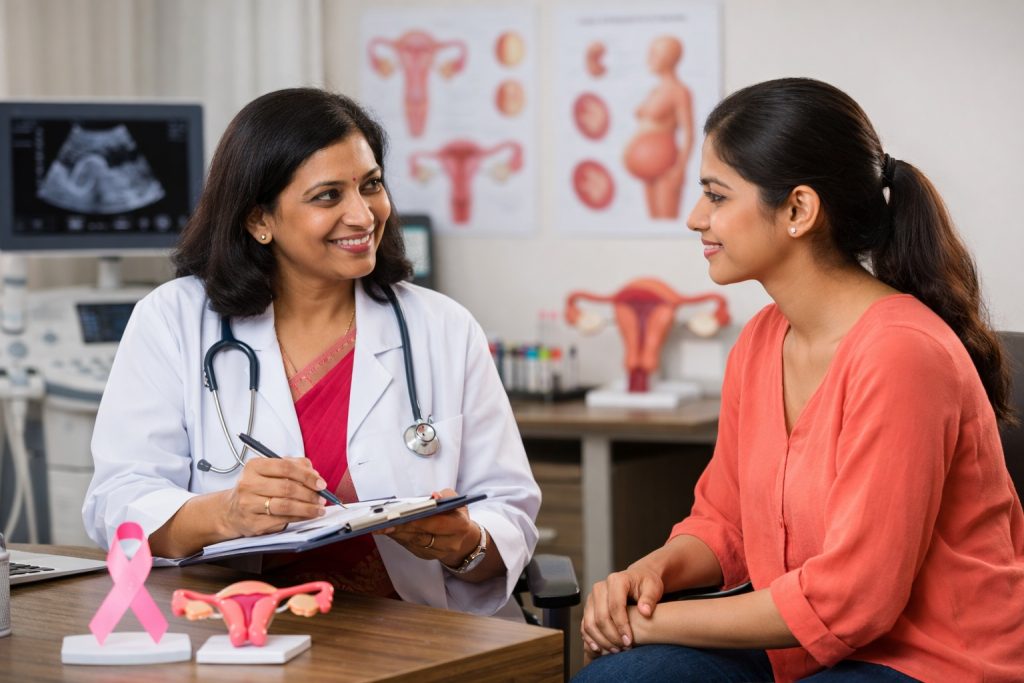
After World Health Day: Why Women’s Preventive Healthcare Must Stay in Focus
The conversations sparked by World Health Day may have centred around April 7, but the need to prioritise health—especially women’s health—extends far beyond a single day. Across India, and particularly in urban centres like Kolkata, healthcare professionals are increasingly highlighting the importance of preventive and specialised care for women.
From adolescence to menopause, women go through multiple biological and hormonal transitions. Menstrual health, fertility concerns, pregnancy, postpartum recovery and menopause all bring unique medical needs. Yet many women continue to delay consultations for issues such as irregular cycles, pelvic discomfort or hormonal imbalances, often assuming them to be temporary or routine.
Medical experts emphasise that this delay can sometimes allow manageable conditions to develop into more complex health concerns. Preventive healthcare—through regular gynaecological consultations, screenings and early diagnostics—plays a crucial role in ensuring long-term wellbeing.
The Growing Need for Specialised Women’s Healthcare
In recent years, there has been a noticeable shift in how women’s healthcare is delivered. Instead of focusing only on treatment after symptoms appear, modern clinics are adopting a more holistic model—combining preventive care, diagnostics and long-term health guidance.
This approach recognises that women’s healthcare is not limited to a single phase of life. Rather, it involves continuous support across different life stages, each requiring specialised medical expertise.
In Kolkata, centres such as Petals Health are working towards this integrated healthcare approach. Designed as a specialised primary care centre for women and families, the clinic brings together services ranging from gynaecology and pregnancy care to diagnostics and paediatric support under one roof.
A More Integrated Approach to Care
What sets newer healthcare models apart is their emphasis on continuity of care. For instance, women today are seeking medical support not only for pregnancy but also for fertility planning, menstrual health management and hormonal wellness.
Clinics like Petals Health focus on offering a structured healthcare ecosystem where expert consultations, diagnostic services and maternal care are interconnected. The idea is to create an environment where women feel comfortable discussing health concerns that are often considered sensitive or overlooked.
Equally important is the role of awareness. Preventive screenings, timely check-ups and better understanding of reproductive health can significantly reduce complications and improve outcomes over time.
Beyond a Single Day of Awareness
While World Health Day serves as an important reminder about the value of health, its real impact lies in encouraging sustained conversations and action.
For women, prioritising regular health check-ups and seeking timely medical guidance can make a significant difference in long-term wellbeing. As healthcare providers continue to evolve towards more specialised and patient-centric models, the focus is increasingly shifting toward prevention, education and accessible care.
Because when women’s health is prioritised, the benefits extend far beyond the individual—strengthening families and communities alike.