Kolkata, 16 June 2026: Dwija Gallery, a prominent cultural space in Rajkot, India, managed by the Dwija
Conservation Society of Art and Cultural Heritage, presents Stranger Forms: The Forgotten Art of G. C.
Chakravarty, the first major retrospective of the remarkable yet overlooked artist Gopesh Chakravarty
(1905–1985), offering a long-overdue reassessment of his contribution to Bengal Modernism and
twentieth-century Indian art. On view from 16–28 June 2026 at the Birla Academy of Art and Culture,
Kolkata, the exhibition brings together a significant body of work that traces Chakravarty’s singular
artistic journey across decades of profound political, cultural, and personal transformation.
Emerging from the political and cultural turbulence of twentieth-century South Asia, Gopesh
Chakravarty’s art charts a deeply personal yet historically entangled journey from lyrical introspection
to unsettling figuration. Born in Sylhet in 1905, and largely self-taught after leaving formal training at the
Government School of Art in Calcutta, Chakravarty forged an artistic language shaped equally by
hardship, spiritual inquiry, and the shifting realities of a nation moving toward and beyond
independence. His practice evolved through a lifelong engagement with spiritual inquiry, literature, and
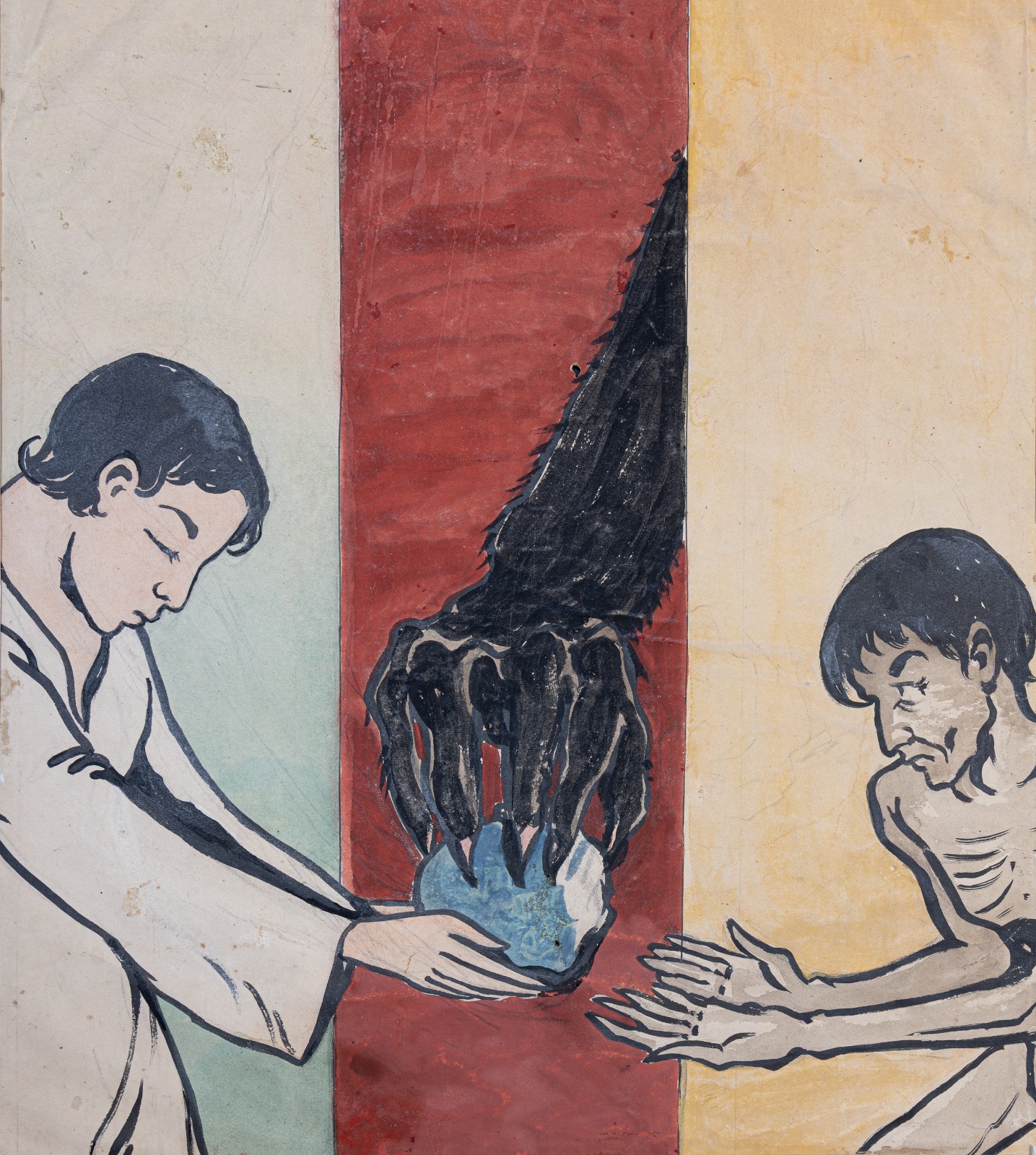
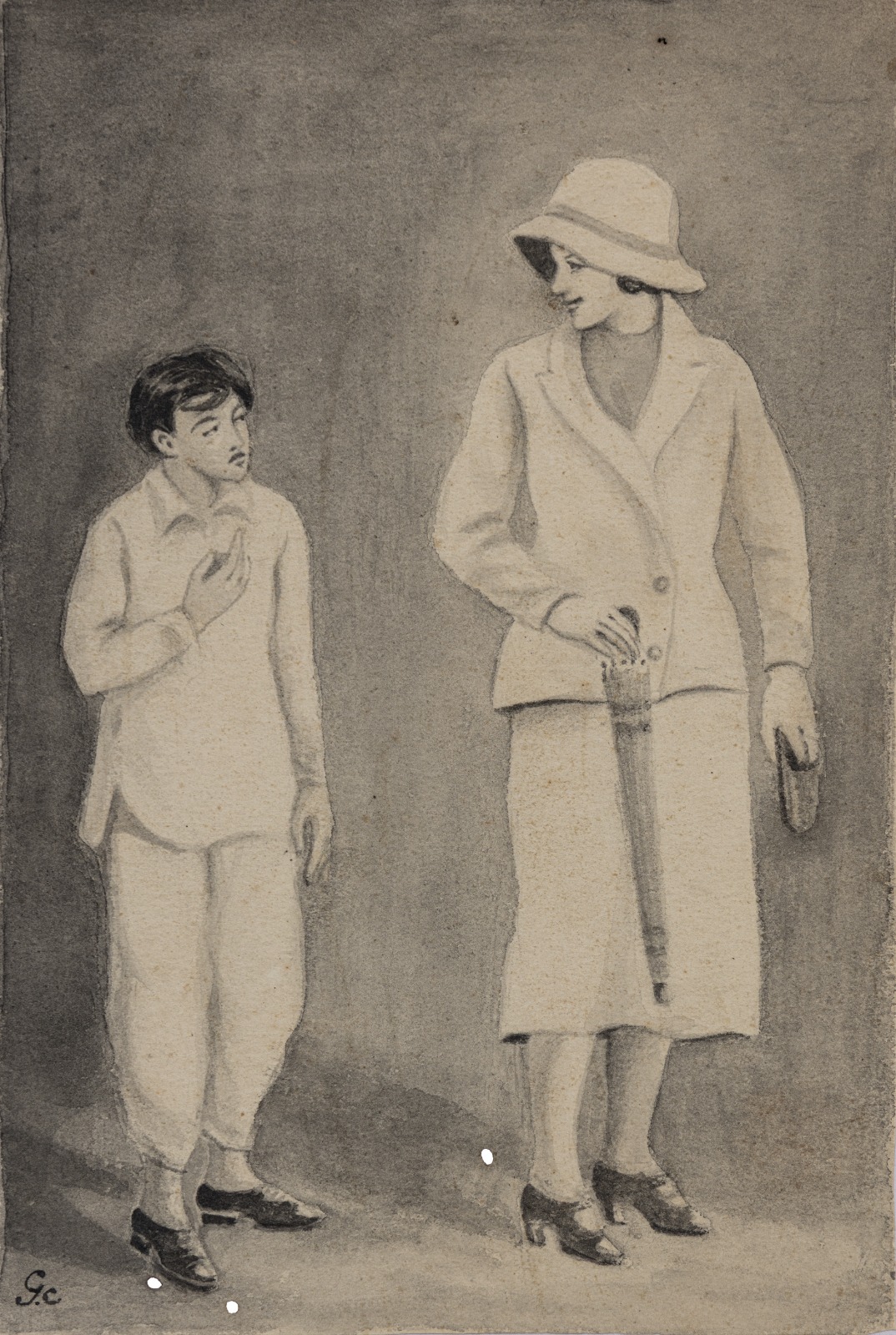
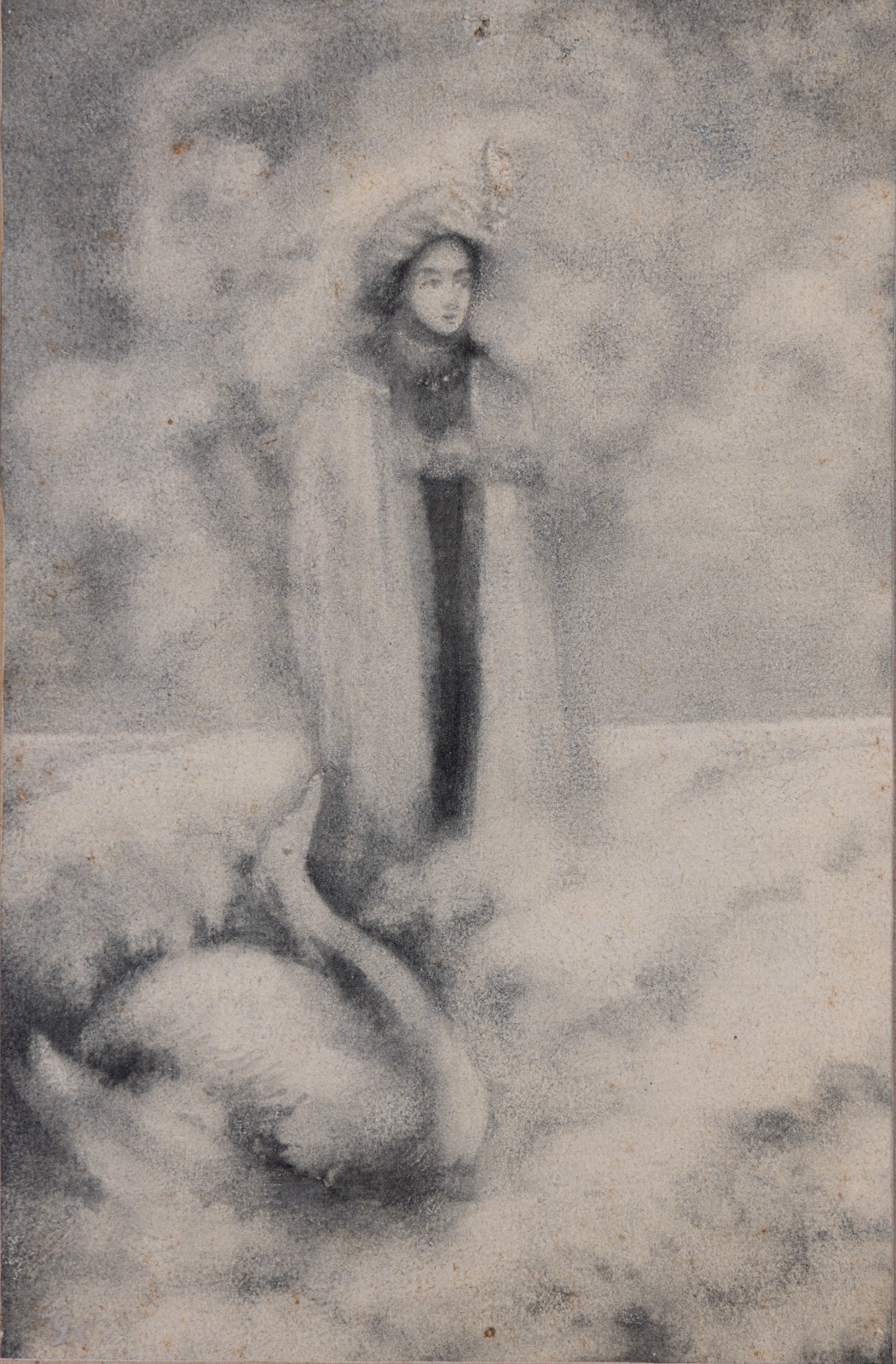
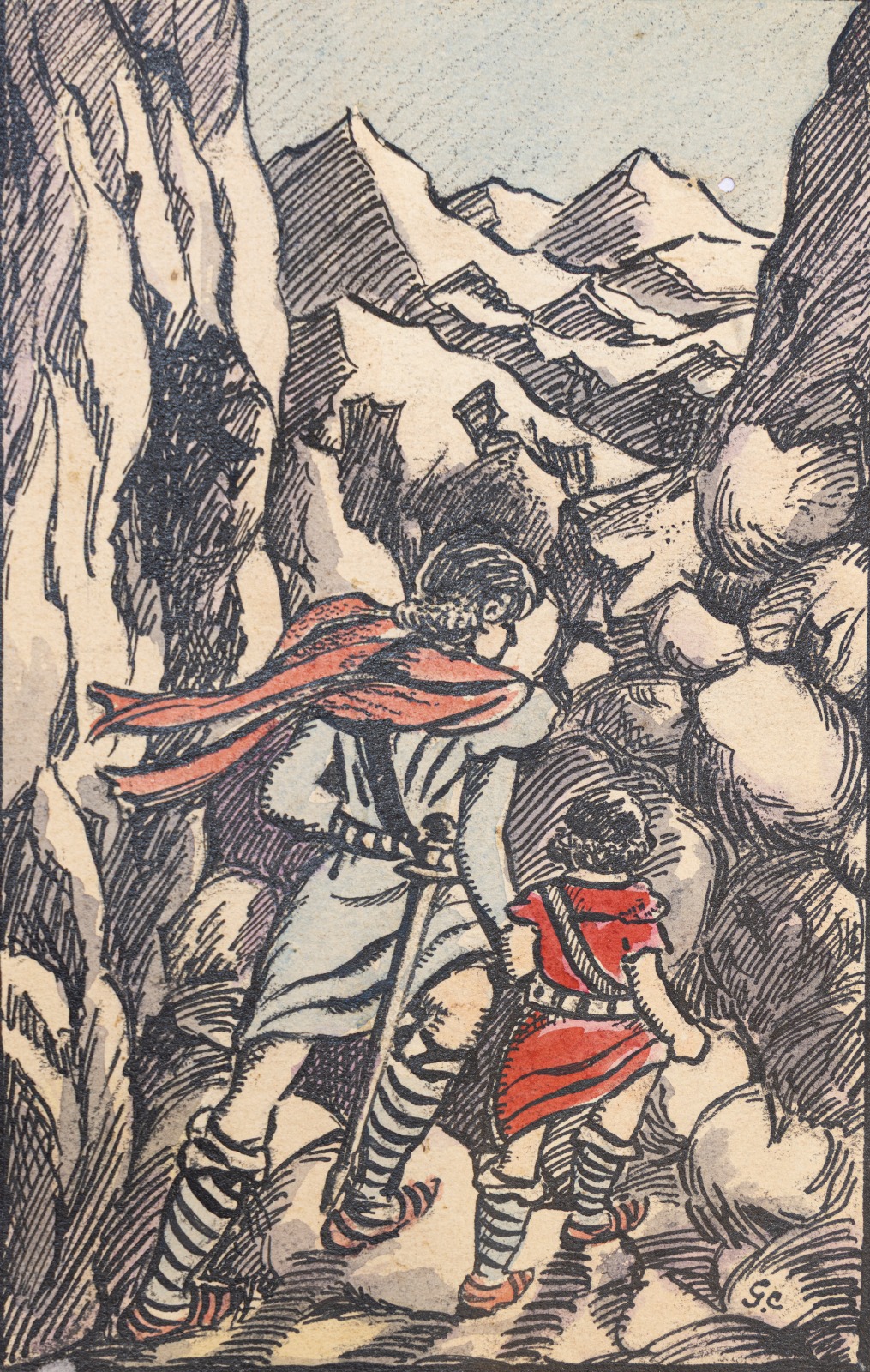
the turbulent realities of South Asian history. The featuring works in Stranger Forms: The Forgotten Art
of G. C. Chakravarty reveal an artist deeply attuned to the intersections of inner experience and
collective memory, moving fluidly between lyrical introspection and unsettling figuration.
Mit Vyas of Dwija Gallery notes, ‘More than a historical recovery, Stranger Forms reintroduces an artist
whose significance extends beyond the established narratives of Indian modernism. During his lifetime,
Chakravarty exhibited alongside notable contemporaries such as Jamini Roy, Gopal Ghose, and D. P.
Roy Chowdhury, yet his legacy gradually receded from public view. Equally important was his role as an
educator and cultural activist. Working across diverse regions including Uttar Pradesh, Assam, Nagaland,
and the wider Northeast, he expanded his influence beyond metropolitan art circles through teaching,
community engagement, and cultural initiatives. In a catalogue of the artist’s works published by
Rabindra Bharati in the 1950s, contemporary admirers from President Rajendra Prasad, and S.
Radhakrishnan, to noted art critic Kalidas Nag and artist O. C. Gangooly lauded his work.’
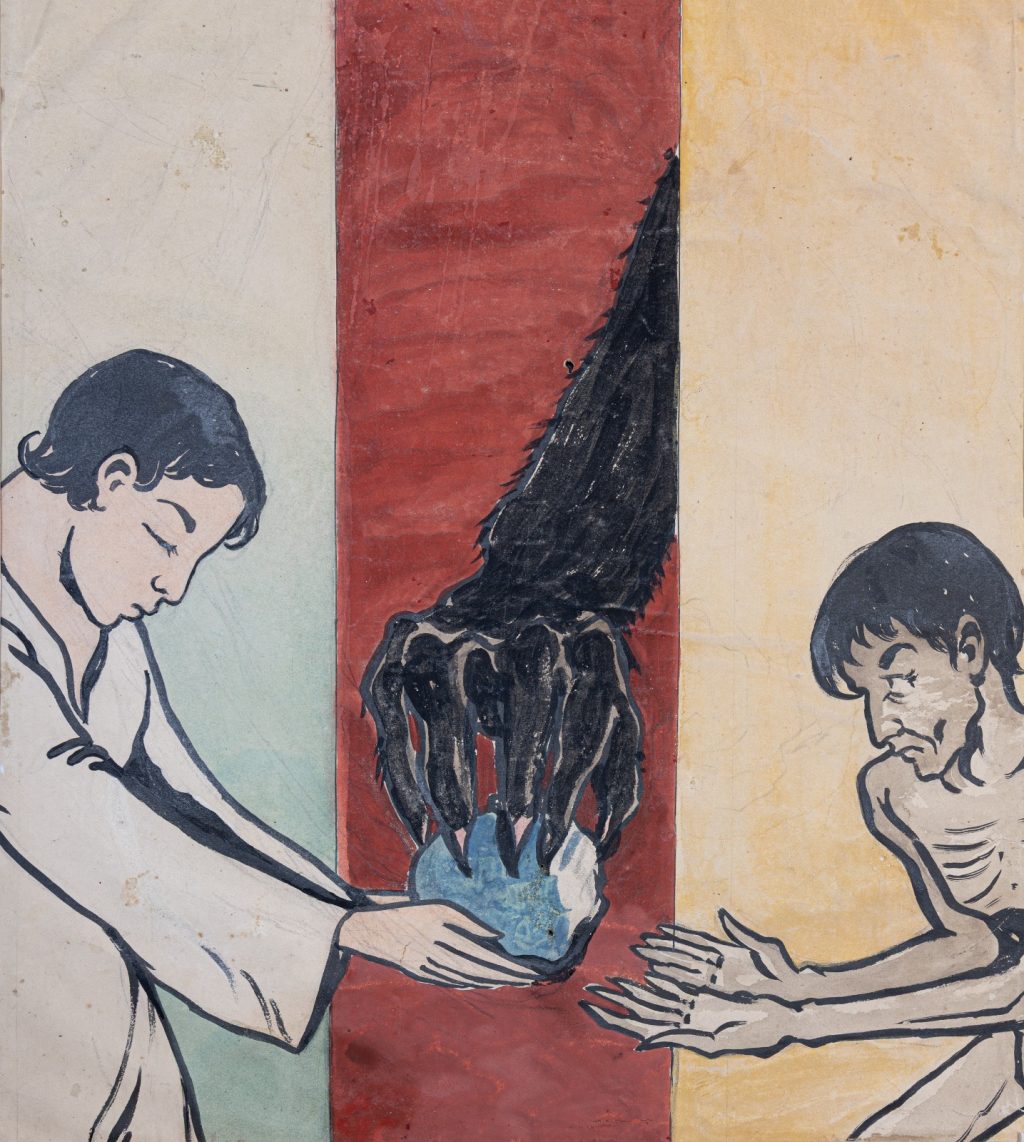
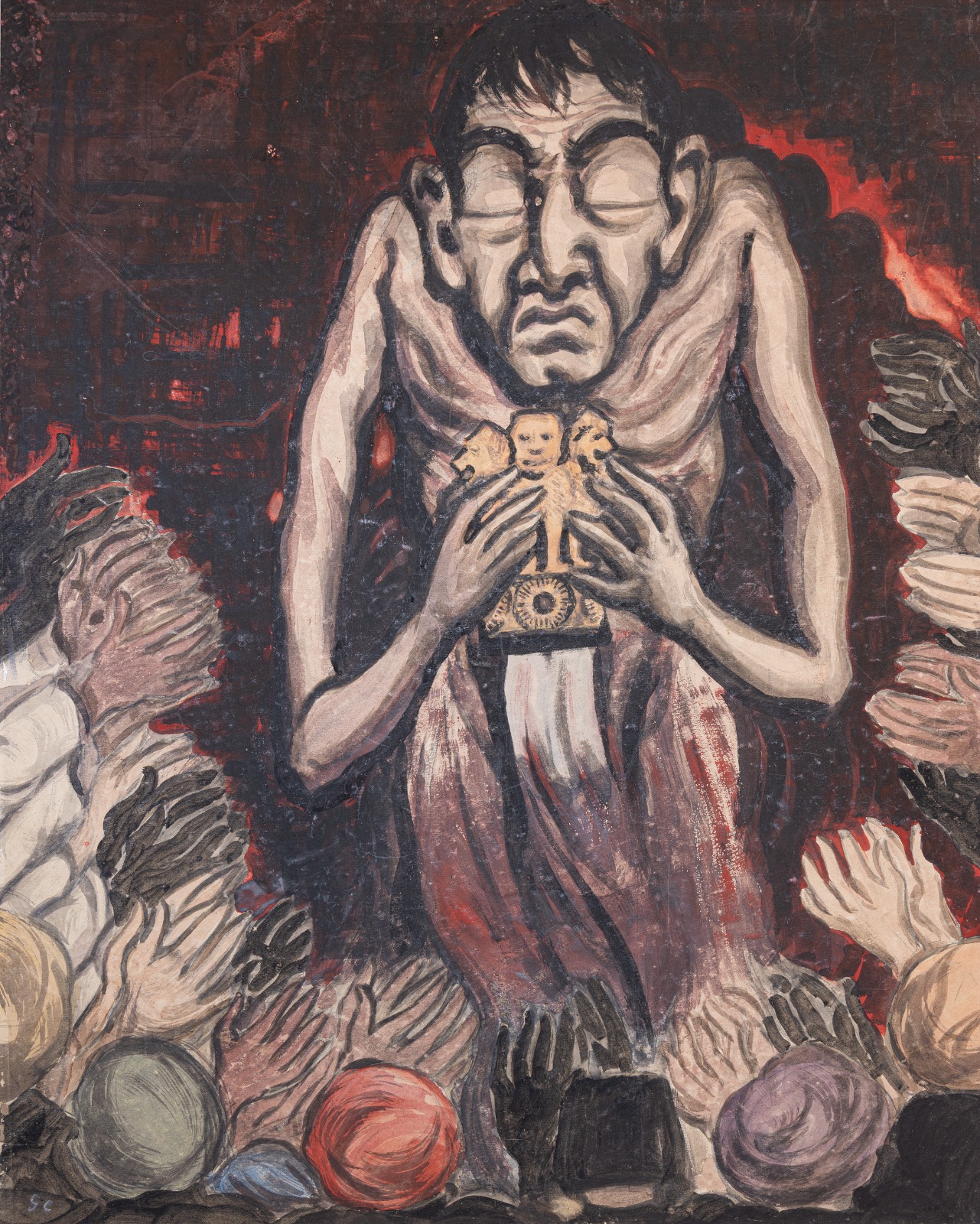
While his early works demonstrate a fascination with the subconscious and the mystical dimensions of
existence, his later paintings confront the social and emotional ruptures produced by famine, communal
violence, displacement, and authoritarian politics. Figures emerge and dissolve within ambiguous spaces,
their forms fragmented or distorted, reflecting the instability of a rapidly changing world. Inhabiting a